








January 7, 2026
About the Author: Children's Music Academy

Music is more than just sound and rhythm — it is a powerful medium that supports children’s development in ways few other activities can.
From the moment children first respond to a simple lullaby, music begins to shape their growing minds and bodies in profound and lasting ways.

Music and early development
Children are naturally drawn to music.
Even from a very young age, they can recognise rhythms and melodies, and begin to move in time with the beat.
These early responses are not simply enjoyable because they reflect the ways in which music engages the brain and body together by laying the groundwork for deeper learning.
Research shows that exposure to music helps children improve language skills, memory, and focus because it introduces patterns and structure that are closely linked to the development of literacy and communication.
Importantly, rhythm and the heartbeat of music play a key role in cognitive growth.
When children listen to and move with music, they are learning timing and sequencing, skills that are crucial for speaking, reading, and even mathematical understanding.

Emotional and social benefits
Music also supports emotional intelligence and social development.
Singing in groups, playing instruments together, and listening with others foster cooperation, empathy, and confidence.
Through shared musical experiences, children learn how to express feelings through sound, connect with their peers, and participate in collaborative creative activities.
These interactions build strong communication skills and a sense of belonging that extend far beyond the music classroom.
Moreover, music can enhance a child’s overall wellbeing.
Studies have shown that children who engage in music regularly often demonstrate higher self-esteem and improved emotional regulation.
The ability to express oneself through music and to experience progress through practise helps children feel capable, resilient, and confident.

Music and academic skills
The educational benefits of music extend into school success.
Learning music challenges children to listen actively, follow complex patterns, and coordinate movement with sound.
These processes engage both hemispheres of the brain, strengthening cognitive flexibility and memory recall.
Research has linked music learning with improved reading ability, better vocabulary, and enhanced problem-solving skills.
Music also encourages persistence and discipline.
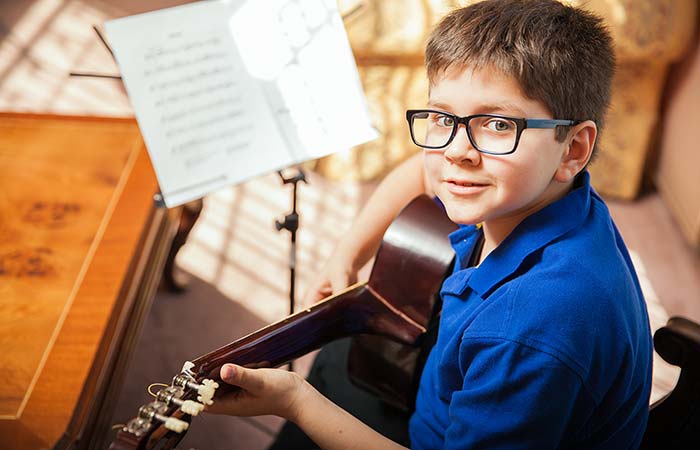
When children learn an instrument or practise vocal techniques, they develop patience and a commitment to gradual improvement.
These habits transfer into other areas of learning and life, contributing to academic achievement and healthy study routines.

A holistic approach to childhood growth
At its core, music is an inclusive activity that touches every aspect of a child’s development.
It supports physical movement and coordination, stimulates language and cognitive skills, nurtures emotional expression, and strengthens social bonds.
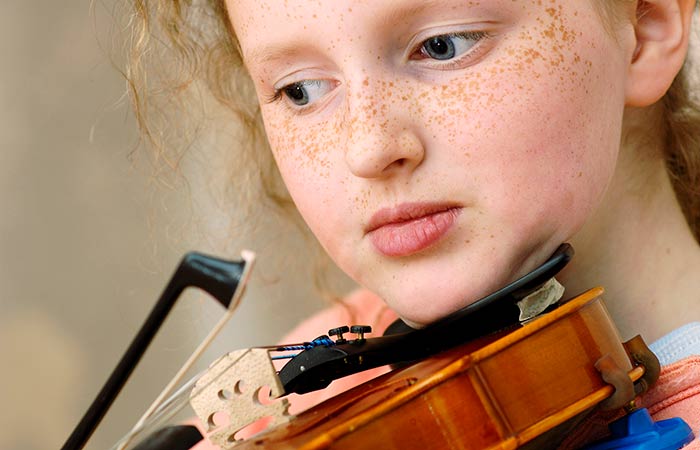
Whether children are singing, dancing, playing an instrument, or simply listening, music invites them to explore the world with curiosity and confidence.
In a child’s life, music becomes more than a pastime, it becomes a tool for joy, connection, learning, and inspiration.

Music nurtures creativity and joy
Music brings joy and it also allows children to explore creativity freely, experiment with sound, and develop their imagination.
Music encourages curiosity and plays a crucial role for providing a positive and enriching outlet that supports mental wellbeing.
For many children, music becomes a lifelong source of comfort, inspiration, and self-expression.

Conclusion
In a world where children are growing up faster and learning more complex skills at an earlier age, music remains a timeless and essential part of their development.
Its benefits reach far beyond the confines of a music class, shaping not only how children think and learn, but how they feel, express themselves, and relate to others.
Introducing music early gives children a head start and not just in music, but in their life too.
Through rhythm and melody, they can build confidence, strengthen their minds, and discover a lifelong source of joy and creativity.
Related articles:

RELATED POSTS


